Frankie Becker · 15 October 2026
How Registration Timelines Shape Algorithmic Trust Signals in Competitive Niches
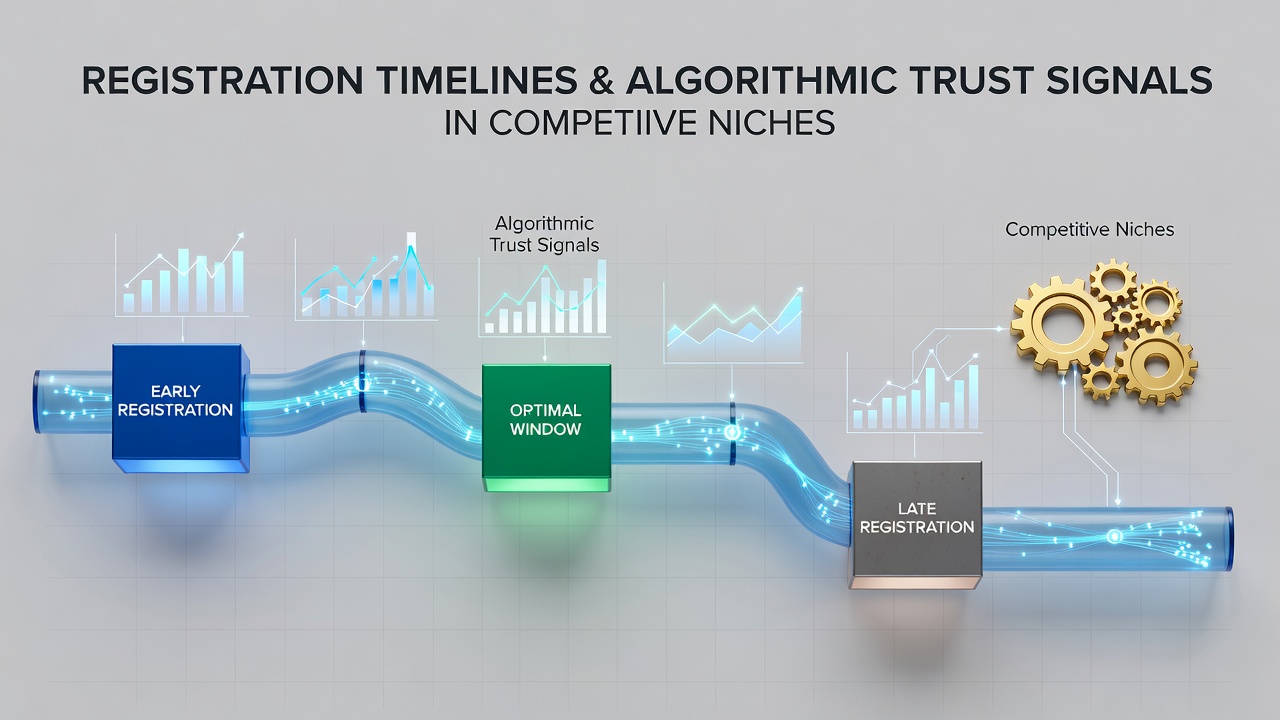
Registration timelines for domains serve as foundational data points that search algorithms evaluate when assigning trust signals, particularly in niches where competition hinges on authority and longevity. Observers note that domains registered years in advance often accumulate stronger signals because engines track creation dates, renewal patterns, and historical ownership transfers through public records and internal indexes.
Core Mechanisms Behind Timeline-Based Evaluation
Algorithms process registration data by cross-referencing WHOIS archives with crawl histories, which reveals whether a domain has maintained consistent registration without gaps or abrupt changes. Data from multiple indexing systems shows that steady multi-year registrations correlate with higher baseline trust scores, while short-term or frequently transferred registrations trigger additional scrutiny layers. Researchers have documented how these timelines influence crawl prioritization, with established domains receiving deeper indexing compared to newer entries that compete in the same keyword clusters.
Competitive niches such as finance, health, and technology amplify this effect because algorithms apply stricter filters to prevent manipulation through rapid domain cycling. Studies indicate that registration duration functions as a proxy for stability, allowing systems to differentiate between established entities and those attempting quick entry into high-value search results.
Patterns Observed in High-Competition Environments
In sectors where visibility directly affects revenue, registration timelines interact with other signals like backlink velocity and content consistency. Those who've analyzed large-scale index data find that domains registered well before active use periods tend to bypass certain sandbox mechanisms, whereas last-minute registrations face delayed trust accrual. This dynamic becomes especially relevant when competitors monitor each other's domain histories to anticipate ranking shifts.
One pattern emerges when registration clusters occur around seasonal events, such as product launches scheduled for October 2026, where early registration provides measurable advantages in algorithmic evaluation queues. Evidence suggests engines weigh the gap between registration and first crawl as an indicator of intent, rewarding domains that demonstrate foresight through extended registration periods.
Data Correlations and Industry Metrics
Industry reports compiled by research institutions reveal consistent correlations between registration age and metrics like domain authority proxies used in ranking systems. According to analyses from academic sources focused on information retrieval, longer timelines reduce the probability of classification as low-trust entities, particularly when paired with clean historical records. Figures from European regulatory bodies monitoring digital markets further illustrate how registration patterns feed into broader compliance evaluations that indirectly affect search visibility.
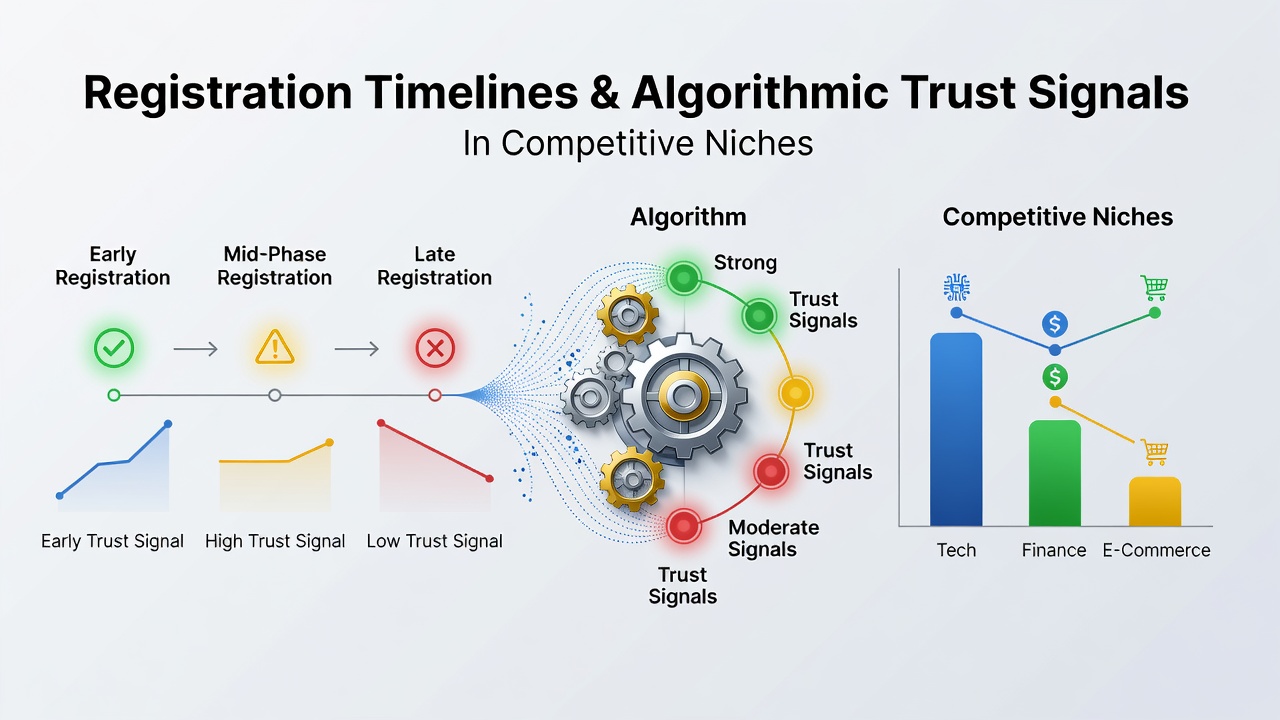
What's interesting is how these signals compound over time, with each renewal cycle adding incremental weight unless interrupted by transfers or expirations. Observers tracking competitive niches report that entities maintaining continuous registration for five or more years exhibit measurably different indexing behaviors compared to those resetting timelines through new acquisitions.
Integration with Other Algorithmic Factors
Registration timelines do not operate in isolation but combine with elements such as nameserver consistency and DNS stability. Research indicates that abrupt changes in registration details can offset gains from long timelines, prompting algorithms to reassess trust levels. In practice, this means organizations planning entry into competitive spaces often align registration strategies with multi-year horizons to build cumulative signals ahead of content deployment.
Turn to sources like university studies on web graph dynamics and reports from bodies such as the Australian Competition and Consumer Commission for deeper context on how digital asset timelines influence market evaluations. These connections become critical in niches where small differences in trust assignment determine visibility outcomes.
Conclusion
Registration timelines continue to function as durable inputs within algorithmic frameworks that determine trust in competitive niches, with ongoing data collection shaping how engines interpret domain histories. Patterns documented through index analysis and regulatory monitoring confirm that sustained registration periods contribute to stronger positioning when other quality signals align. As systems evolve through 2026 and beyond, these timeline-based factors remain embedded in evaluation processes that prioritize measurable continuity over short-term tactics.