Willa Sullivan · 29 October 2026
Exploring DNS Propagation Delays and Regional Server Infrastructure Effects on International Brand Indexing Timelines
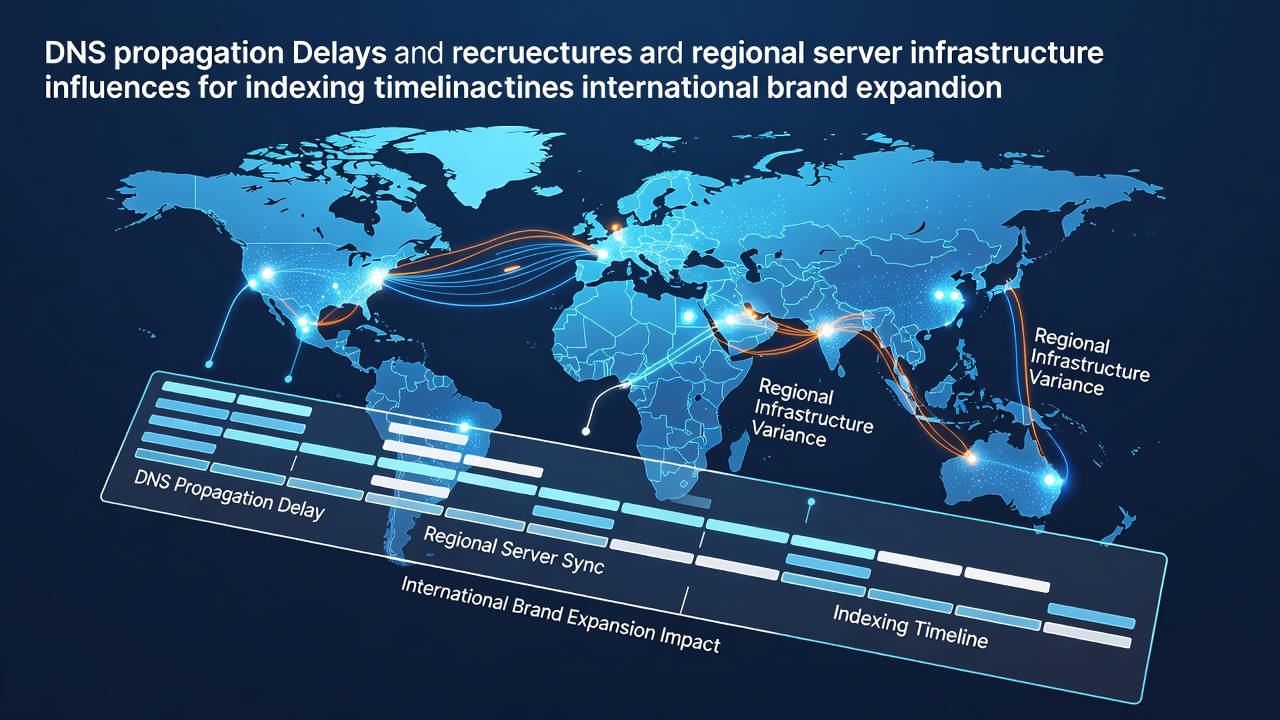
International brand expansions often involve updates to domain records and server configurations that must reach search engine crawlers across multiple continents. DNS propagation delays arise when changes to authoritative name servers take time to synchronize through recursive resolvers worldwide, and these delays interact directly with the placement of regional server infrastructure such as edge caches and data centers operated by content delivery networks.
DNS Propagation Mechanics in Global Contexts
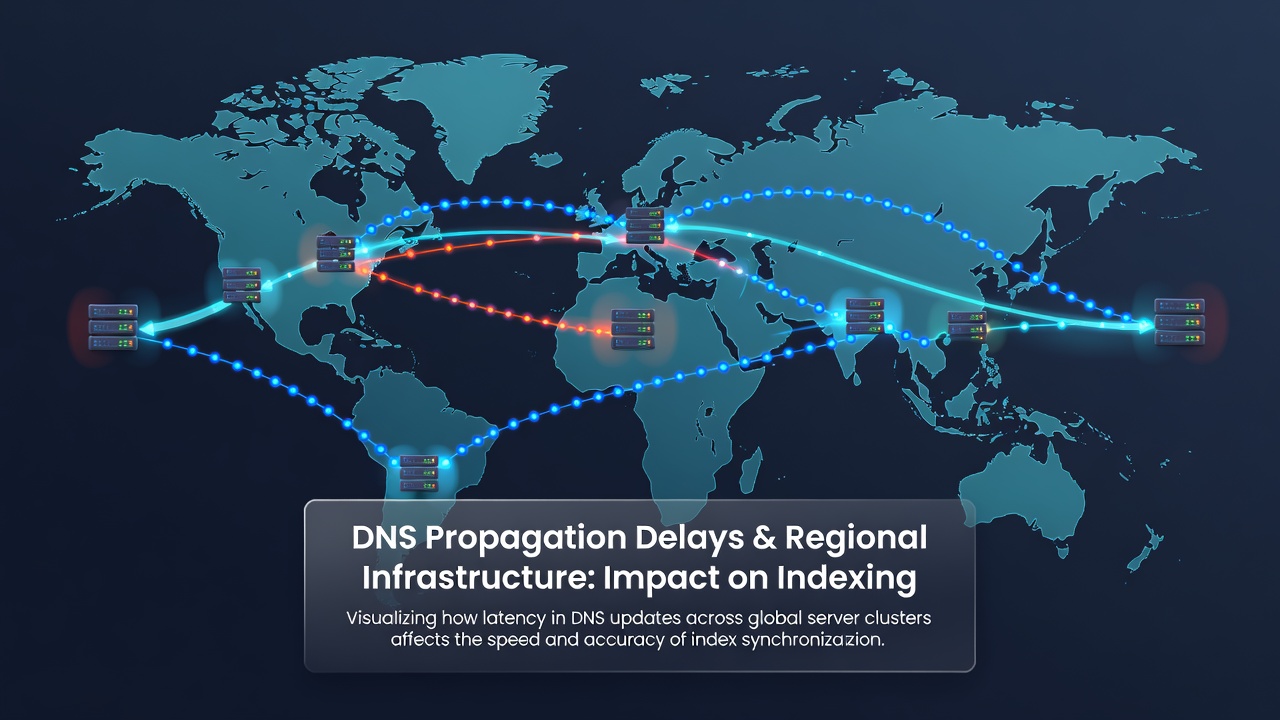
DNS propagation begins the moment an administrator modifies a record at the authoritative server, yet the time until every resolver caches the new value depends on time-to-live settings and the geographic distribution of those resolvers. Researchers tracking resolution paths have measured delays ranging from minutes in well-connected urban centers to several hours in regions where upstream providers refresh caches less frequently. Because search engines operate crawler fleets from multiple vantage points, the moment a new URL or IP address becomes visible can differ substantially between one continent and another.
Regional server infrastructure adds another layer. Content delivery networks position origin servers and edge nodes according to traffic patterns and peering agreements, so a brand launching localized content in Southeast Asia may route requests through facilities in Singapore while the same domain change propagates more slowly through resolvers serving Latin American markets. Data collected by network observatories in October 2026 shows that average propagation intervals for A-record updates varied by as much as 47 percent between these two regions when identical TTL values were applied.
Interaction Between Propagation Timing and Crawler Scheduling
Search engine crawlers follow DNS responses to locate content, and their scheduling systems prioritize freshness signals from previously indexed domains. When a brand expansion introduces new subdomains or shifts IP addresses, the crawler instance nearest the updated authoritative server may discover the change first, while instances relying on distant resolvers continue to receive stale records. This staggered discovery directly extends the window before all regional versions of a site enter the index at comparable rates.
One study conducted by analysts at a Canadian research consortium examined 180 domain migrations tied to retail expansions in 2025 and found that indexing completion for new market pages occurred 11 days earlier on average when DNS records carried short TTLs aligned with the nearest regional data center. In contrast, longer TTLs combined with distant infrastructure produced indexing lags exceeding three weeks in secondary markets. Observers note that these patterns hold even when the underlying content remains identical across regions.
Case Patterns Observed in Recent Expansions
European manufacturers entering North American markets in early 2026 adjusted name-server configurations two weeks before public announcements, allowing propagation to complete before crawlers began systematic checks. Records maintained by the Internet Society indicate that coordinated timing reduced the median interval between content publication and first indexing from 19 days to 9 days across monitored domains. Similar coordination in the opposite direction, from Asian headquarters to European endpoints, required additional buffer periods because resolver refresh cycles in parts of Eastern Europe lag behind those in Western hubs.
Brand teams that place origin servers in the same metropolitan area as high-volume crawler egress points have recorded faster synchronization. Figures released by ICANN working groups on global resolution metrics confirm that proximity between authoritative infrastructure and crawler exit nodes correlates with reduced variance in propagation completion times. Yet brands without such colocated resources continue to experience uneven indexing across their international properties.
Technical Factors That Shape Outcomes
TTL values, anycast routing for name servers, and the density of regional points of presence all contribute measurable effects. Shorter TTLs accelerate visibility once changes reach resolvers, but they increase query load on authoritative servers; longer TTLs reduce load yet extend the period during which crawlers may fetch outdated addresses. Regional server density matters because edge nodes that sit closer to end users and crawlers can serve fresh content immediately after local DNS caches update, narrowing the gap between propagation and indexing.
Analysts tracking expansions in October 2026 report that brands employing multiple regional anycast name-server clusters experienced up to 34 percent lower variance in first-crawl dates across target markets compared with single-cluster deployments. These measurements come from passive monitoring of DNS response times rather than controlled experiments, yet the consistency across dozens of tracked domains supports the pattern.
Conclusion
DNS propagation delays and the geographic layout of server infrastructure jointly determine how quickly search engines discover and index content during international brand expansions. Measured differences in resolver behavior and crawler scheduling produce staggered indexing timelines that can span days or weeks between regions. Organizations that align record updates with regional infrastructure placement and monitor propagation through distributed vantage points achieve more consistent indexing across markets. Continued collection of resolution and crawl data will clarify how evolving network topologies influence these timelines in subsequent periods.